Post Author-Pate Lausten
If you're experiencing vision problems or discomfort, it's vital to understand when to get in touch with an eye doctor. Abrupt adjustments in your sight, consistent blurriness, and even flashes of light can signify underlying issues. You might reject minor signs and symptoms, but disregarding them might result in serious problems. Intend to comprehend the trick signs that call for a visit and the steps to take previously your appointment?
Key Signs Indicating You Must See an Eye doctor
When you discover modifications in your vision, it's essential to listen, as these can signal underlying problems that require an eye doctor's knowledge.
Unexpected vision loss, whether in one or both eyes, is a severe concern that requires immediate interest. If you experience consistent blurry vision or difficulty focusing, it's time to seek advice from a specialist.
Furthermore, signs like flashes of light or drifters can suggest troubles that require assessment. If you locate yourself fighting with eye stress or pain, do not disregard those indicators.
Constant frustrations or squinting can additionally recommend your eyes require a check-up. Inevitably, trusting your instincts regarding your vision can result in prompt intervention and better eye health.
Do not think twice to look for help when something really feels off.
Eye Conditions That Require an Eye doctor's Attention
Specific eye conditions demand timely attention from an ophthalmologist to prevent major complications. If you experience abrupt vision loss, it's vital to seek help promptly.
Eye injuries, whether from trauma or foreign things, additionally call for speedy examination to avoid enduring damages. Consistent eye discomfort, inflammation, or swelling might indicate infections or conditions like uveitis that need timely treatment.
If you observe flashes of light, floaters, or changes in your peripheral vision, these signs and symptoms may suggest retinal detachment or other significant concerns.
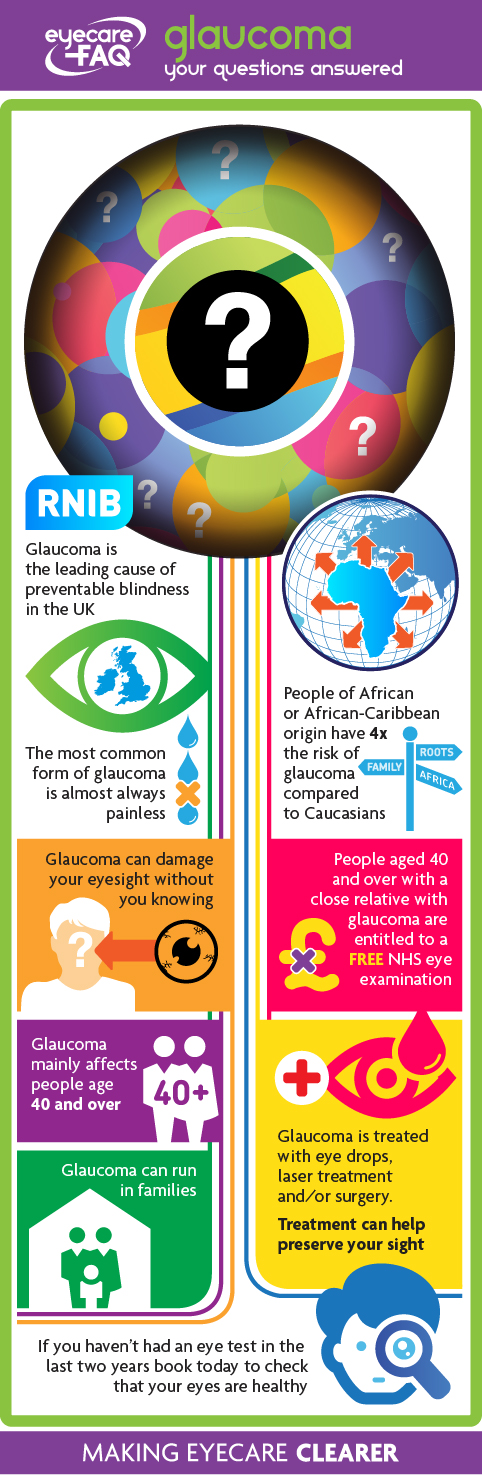
Furthermore, if you have a family history of eye conditions like glaucoma or macular deterioration, regular exams come to be necessary.
Do not think twice to seek advice from an eye doctor when these problems arise; early intervention can make a significant difference.
Exactly how to Plan for Your Eye Doctor Appointment
Experiencing eye issues might lead you to look for an ophthalmologist, and understanding exactly how to plan for your consultation can boost your experience.
Begin by collecting your case history, consisting of any medicines you take and previous eye problems. Make a note of your signs, noting when they started and exactly how they have actually changed. Bring a checklist of questions you want to ask; this will aid you bear in mind vital points during your see.
If you use glasses or get in touches with, bring them along. Arrive a bit very early to finish any required documentation and enable time for any type of initial tests.
Ultimately, consider having a pal or member of the family accompany you for support and to assist keep in mind the medical professional's guidance.
Conclusion
In recap, if you're experiencing sudden vision loss, persistent blurriness, or any worrying signs like eye pressure or pain, do not be reluctant to see an eye doctor. Normal examinations are crucial, specifically if you have a household background of eye illness. Taking positive steps now can safeguard your eye health and stop severe problems down the line. Keep in mind, your vision is valuable, and early treatment is key to maintaining it for several years to come.